Tag: STIR/SHAKEN

  • What Is Caller ID?

    What Is Caller ID?

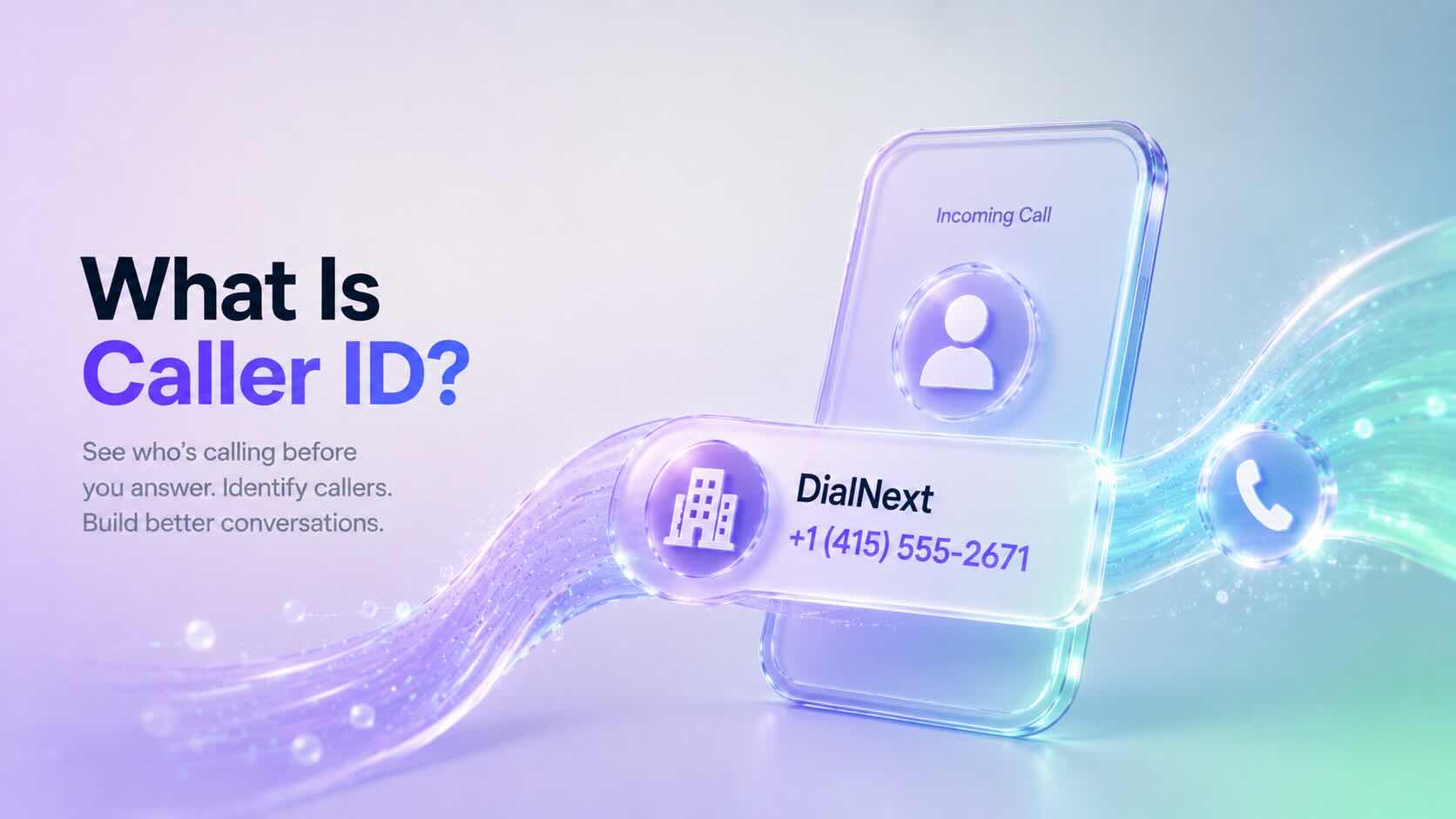
    Caller ID is a telephone service that displays the phone number of an incoming call before you answer it. Many business phone systems also display the caller’s name when that information is available.

    Businesses use Caller ID to identify incoming callers, improve customer interactions, and manage calls more efficiently.

    Why Is Caller ID Important?

    Without Caller ID, every incoming call would appear as an unknown number.

    Caller ID helps businesses and individuals quickly recognize callers before answering the phone.

    Using Caller ID offers several benefits:

    • Identify incoming callers
    • Improve customer service
    • Screen unwanted calls
    • Return missed calls more easily
    • Increase trust during business communications

    Additionally, Caller ID helps employees prepare for conversations before answering customer calls.

    How Does Caller ID Work?

    When someone places a call, the originating phone provider sends the caller’s phone number through the telephone network.

    The receiving carrier delivers that information to the recipient’s device before the call connects.

    If additional caller information is available, the recipient may also see the caller’s business or personal name.

    Although this process happens almost instantly, the information displayed depends on carrier support, device compatibility, and local telecommunications standards.

    What Information Does Caller ID Display?

    Caller ID can display:

    • Phone number
    • Business name (when available)
    • Personal name (when available)
    • Country or region (on some devices)

    The exact information varies depending on the receiving carrier and the recipient’s device.

    Caller ID vs CNAM

    Caller ID and CNAM are closely related, but they are not the same.

    Caller IDCNAM
    Displays the phone numberDisplays the caller’s name
    Available on most telephone networksPrimarily supported in North America
    Identifies the calling numberIdentifies the business or individual

    In many cases, recipients see both the phone number and the associated caller name together.

    Caller ID vs STIR/SHAKEN

    Caller ID identifies who is calling, while STIR/SHAKEN helps verify that the caller is authorized to use the displayed phone number.

    Together, these technologies improve trust in voice communications.

    • Caller ID displays the phone number.
    • CNAM displays the caller’s name.
    • STIR/SHAKEN authenticates the calling number.

    As a result, businesses can provide a more trustworthy calling experience.

    Why Does Caller ID Sometimes Show “Unknown”?

    Several factors can prevent Caller ID information from appearing correctly.

    Common reasons include:

    • Caller ID has been intentionally blocked.
    • The originating carrier does not provide caller information.
    • The receiving carrier does not support all Caller ID features.
    • The call originates from an unsupported network.
    • A temporary network issue prevents caller information from being delivered.

    Additionally, spam filtering systems may modify how caller information appears on some devices.

    Can Businesses Customize Caller ID?

    Yes. Many business phone providers allow organizations to configure the phone number displayed during outbound calls.

    Some providers also support CNAM registration, allowing a business name to appear alongside the phone number on supported networks.

    Availability depends on the phone number, carrier, and country.

    Does DialNext Support Caller ID?

    Yes. DialNext supports Caller ID for business communications.

    Caller ID behavior depends on your phone numbers, carrier capabilities, and regional telecommunications regulations.

    If you need help configuring outbound Caller ID, contact the DialNext support team.

    Frequently Asked Questions

    Does Caller ID Display My Business Name?

    Not always. Caller ID displays the phone number, while the business name is typically provided through CNAM on supported networks.

    Can I Hide My Caller ID?

    Some carriers allow callers to block their Caller ID information. Availability depends on your provider and local regulations.

    Does Caller ID Work Internationally?

    Caller ID works in many countries, although the information displayed varies by carrier, destination, and regional telecommunications standards.

    Does Caller ID Prevent Spam Calls?

    No. Caller ID identifies incoming callers but does not prevent spam calls. Technologies such as STIR/SHAKEN and carrier spam filtering help reduce fraudulent calls.

    Related Articles

    Additional Resources

    Learn more about caller identification and telecommunications standards:

    Need Help?

    If you have questions about Caller ID, CNAM, or business phone numbers, contact us at help@dialnext.io.
  • What Is STIR/SHAKEN?

    What Is STIR/SHAKEN?

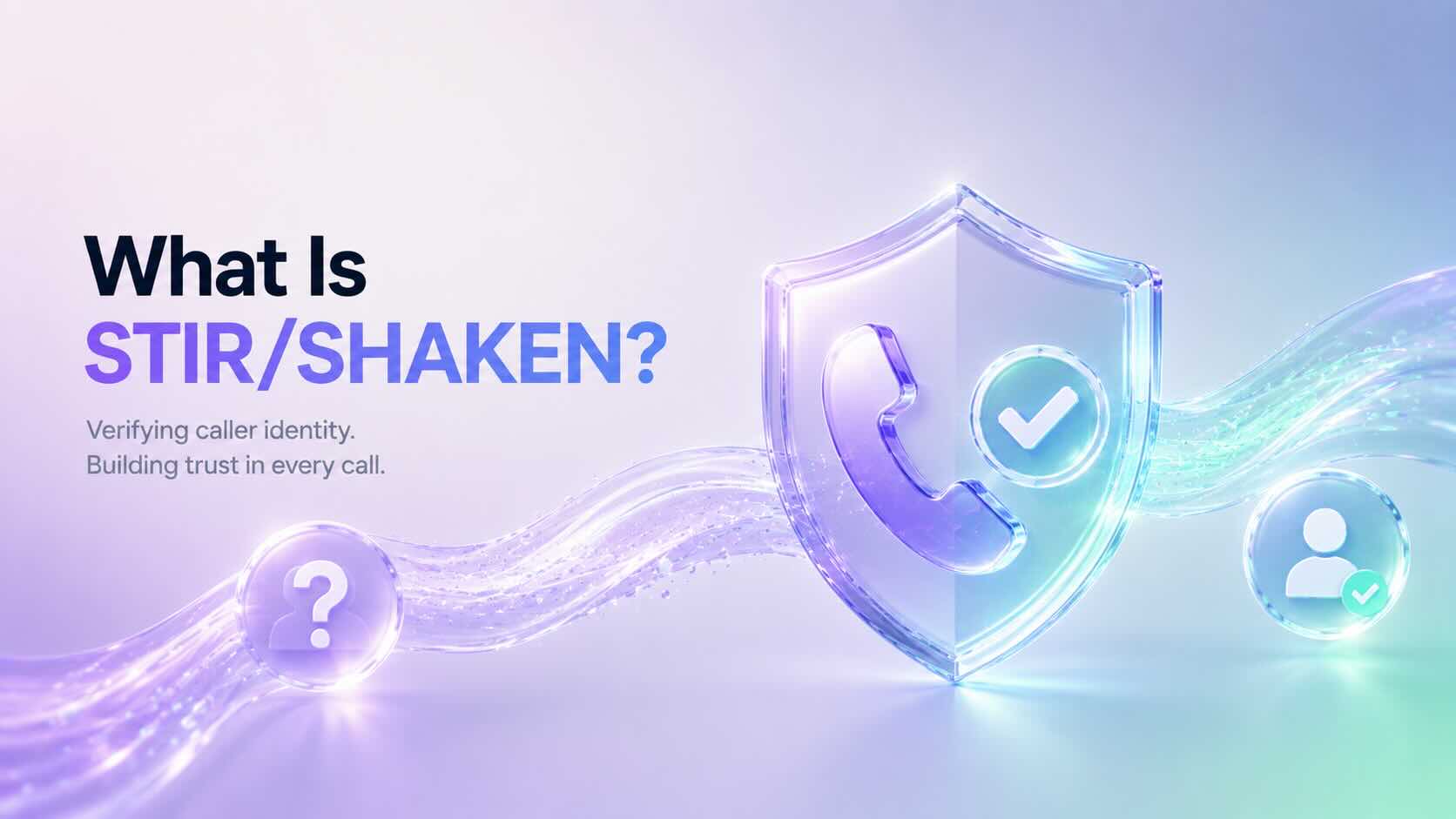
    STIR/SHAKEN is a caller ID authentication framework designed to reduce illegal robocalls and caller ID spoofing. It helps telephone service providers verify that a caller is authorized to use the phone number displayed on the recipient’s device.

    By verifying caller identity, STIR/SHAKEN improves trust in phone calls and makes it more difficult for scammers to impersonate legitimate businesses.

    Why Was STIR/SHAKEN Introduced?

    Caller ID spoofing has become one of the most common techniques used in phone scams. Fraudsters often display trusted phone numbers to trick people into answering calls.

    To address this problem, the telecommunications industry developed STIR/SHAKEN, allowing providers to digitally verify the identity of outbound calls before they reach recipients.

    As a result, businesses can improve call authenticity while helping carriers identify potentially fraudulent traffic.

    How Does STIR/SHAKEN Work?

    STIR/SHAKEN uses digital certificates to verify the caller’s identity.

    A typical verification process works as follows:

    1. A business places an outbound call.
    2. The originating provider verifies the caller’s right to use the phone number.
    3. The provider digitally signs the call using a secure certificate.
    4. The receiving carrier validates the digital signature.
    5. The recipient receives a verified call whenever verification succeeds.

    If the verification fails, carriers may flag, filter, or block the call depending on their spam prevention policies.

    What Does STIR and SHAKEN Stand For?

    STIR stands for:

    Secure Telephone Identity Revisited

    SHAKEN stands for:

    Signature-based Handling of Asserted Information Using toKENs

    Although they are separate standards, they work together to authenticate caller identity across modern telephone networks.

    What Is Attestation?

    Attestation represents the level of confidence that a provider has in the caller’s identity.

    There are three attestation levels.

    Full Attestation (A)

    The provider:

    • Knows the customer.
    • Has verified the customer’s identity.
    • Confirms the customer is authorized to use the calling number.

    This provides the highest level of trust.

    Partial Attestation (B)

    The provider knows the customer but cannot fully verify ownership of the calling number.

    Calls can still be authenticated, although the confidence level is lower than Full Attestation.

    Gateway Attestation (C)

    The provider receives the call from another network but cannot verify the caller’s identity or ownership of the phone number.

    This provides the lowest level of confidence.

    What Are the Benefits of STIR/SHAKEN?

    Businesses benefit from STIR/SHAKEN in several ways:

    • Reduces caller ID spoofing
    • Improves customer trust
    • Helps legitimate calls reach recipients
    • Supports industry compliance requirements
    • Reduces fraudulent robocalls
    • Improves caller authentication

    Additionally, verified calls are less likely to appear suspicious to receiving carriers.

    Does STIR/SHAKEN Stop All Spam Calls?

    No.

    STIR/SHAKEN significantly reduces caller ID spoofing, but it does not eliminate every unwanted or fraudulent call.

    For example, scammers can still use legitimately purchased phone numbers or other techniques that fall outside caller ID authentication.

    Consequently, carriers combine STIR/SHAKEN with spam detection systems, analytics, and call reputation services to improve overall protection.

    Who Needs STIR/SHAKEN?

    STIR/SHAKEN primarily benefits:

    • Business phone system providers
    • Contact centers
    • VoIP providers
    • Enterprises making outbound calls
    • Organizations handling high call volumes

    Businesses that regularly contact customers should ensure their communications comply with current industry requirements.

    Does DialNext Support STIR/SHAKEN?

    DialNext is committed to supporting secure and reliable business communications.

    Support for caller authentication depends on carrier capabilities, number types, and applicable telecommunications regulations. If you have questions about STIR/SHAKEN support for your phone numbers, please contact the DialNext support team.

    Frequently Asked Questions

    Does STIR/SHAKEN Block Spam Calls?

    No. It authenticates caller identity and helps carriers identify spoofed calls, but it does not block every spam call.

    Is STIR/SHAKEN Required?

    In many regions, including the United States, major voice providers must implement caller ID authentication requirements established by regulators.

    Does STIR/SHAKEN Apply to SMS?

    No. STIR/SHAKEN applies to voice calls. SMS messaging uses different compliance frameworks, such as A2P 10DLC for business messaging in the United States.

    Can International Calls Use STIR/SHAKEN?

    Support for international calls varies depending on participating carriers, network infrastructure, and local regulations.

    Related Articles

    Additional Resources

    Learn more about STIR/SHAKEN from the Alliance for Telecommunications Industry Solutions (ATIS):

    Need Help?

    If you have questions about caller authentication, business phone numbers, or outbound calling compliance, contact us at help@dialnext.io.