
Bulk SMS helps businesses send text messages to many customers at once. It can be used for promotions, reminders, updates, alerts, and sales follow-ups.
Instead of sending each message manually, businesses can use a messaging service to reach more customers quickly. With the right audience, timing, and consent, text messaging can become a simple part of a business communication plan.
In this guide, you will learn what bulk SMS is and how it works. You will also learn how businesses use it, its benefits and limits, and the best ways to send effective messages.
What Is Bulk SMS?
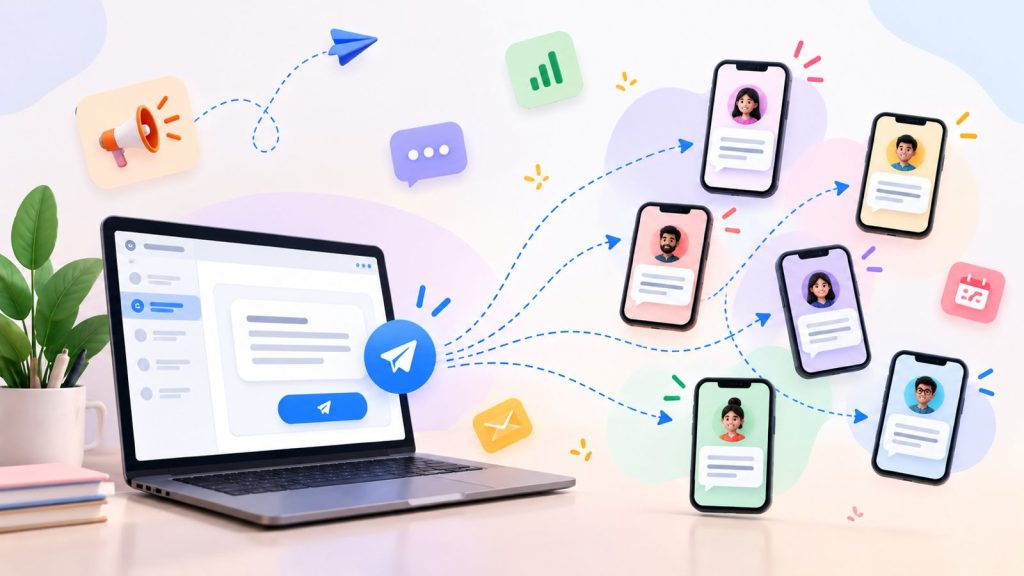
Bulk SMS lets businesses send the same or similar text message to many people at once. Companies can use it for promotions, reminders, alerts, updates, and other important information.
Unlike regular SMS, which usually goes to one person at a time, this method is made for large-scale messaging. Businesses can select a contact list, write a message, and send it to the right audience through a messaging platform.
For example, a retail business can send a sale announcement to its customers. Similarly, a service business can send appointment reminders to customers with upcoming bookings.
However, effective messaging is not just about reaching a large list. Businesses also need to focus on audience selection, consent, message relevance, timing, and clear communication.
How Does Bulk SMS Work?
Bulk SMS follows a simple process. It helps businesses send messages to many recipients at once.
1. Select Your Audience
First, create or select a contact list. This list can include customers, leads, subscribers, or other relevant contacts.
2. Create the Message
Next, write the SMS. Keep the message clear, short, and relevant to the audience.
3. Segment the Audience
Then, group contacts based on factors such as customer type, location, interests, or past interactions. This helps businesses send more relevant messages.
4. Send the Messages
After that, the messaging platform sends the SMS to the selected recipients. Depending on the setup, messages may be sent in batches when working with large contact lists.
5. Monitor Responses
Finally, review delivery information and customer responses if the messaging platform supports these features. This information can help teams understand customer responses and improve future SMS campaigns.
Why Do Businesses Use Bulk SMS?
Businesses use this messaging method to reach many customers quickly. It can support marketing, sales, customer service, and daily business communication.
Common reasons include:
- Reach customers quickly: Businesses can send important messages to many people at once.
- Send timely updates: SMS can help share reminders, alerts, and status updates.
- Support sales follow-ups: Sales teams can use SMS to follow up with leads and existing customers.
- Promote offers: Marketing teams can share promotions, new products, and event announcements.
- Improve customer communication: Businesses can use SMS with other channels to keep customers informed.
However, the goal is not just to reach more people. Businesses should send useful messages to the right audience at the right time.
Common Bulk SMS Use Cases
Businesses use SMS for many types of customer communication. The best use case depends on the audience, message, and goal.
Promotional Messages
Businesses can send offers, discounts, product launches, and event announcements to customers who have agreed to receive them.
Customer Updates
SMS can help businesses share important updates. For example, a company can notify customers about service changes, business hours, or planned maintenance.
Appointment Reminders
Service businesses can send reminders about upcoming appointments. This can help customers remember important dates and may reduce missed appointments.
Order and Delivery Updates
Retail and e-commerce businesses can use SMS to share order confirmations, shipping updates, and delivery notifications.
OTP and Verification Messages
Businesses can send one-time passwords and verification codes through SMS. Customers can use these codes to confirm their identity or complete an action.
Sales and Follow-Up Messages
Sales teams can use SMS to follow up with leads and share useful information. They can also remind prospects about an earlier conversation.
Overall, SMS works best when each message reaches the right audience and provides useful information.
Benefits of Bulk SMS for Businesses
This messaging method helps businesses reach many customers while keeping messages short and clear.
Fast Communication
Businesses can send important messages to many people without contacting each customer one by one. This makes SMS useful for urgent updates and reminders.
Scalable Messaging
As a business grows, its contact list may also grow. A messaging service can help reach larger groups without sending every message manually.
Direct Customer Reach
SMS sends business messages directly to a customer’s phone. Therefore, it can be useful for reminders, updates, alerts, and other important information.
Supports Different Business Teams
Marketing teams can use SMS campaigns for promotions. Sales teams can send follow-ups, while support teams can share customer updates and notifications.
Easy to Combine With Other Channels
SMS does not have to work alone. Businesses can combine it with calls, email, CRM workflows, and other channels. As a result, teams can create a more connected customer communication process.
Bulk SMS vs Regular SMS
Bulk SMS and regular SMS both use text messages. However, they serve different communication needs.
| Bulk SMS | Regular SMS |
| Sent to multiple recipients | Usually sent to one recipient |
| Designed for large-scale messaging | Designed for one-to-one communication |
| Useful for campaigns, updates, and notifications | Useful for personal conversations and individual follow-ups |
| Often managed through a business messaging platform | Can be sent directly from a mobile phone |
For example, a business can use regular SMS to follow up with one customer. In contrast, bulk messaging can help send an important update to a larger group of customers.
The main difference is scale and purpose. Bulk SMS is built for reaching multiple recipients efficiently, while regular SMS is better suited to individual conversations.
Bulk SMS vs SMS Marketing
Bulk SMS and SMS marketing are related. However, they do not mean the same thing.
Bulk SMS means sending text messages to many recipients at once. These messages can include promotions, reminders, alerts, notifications, or customer updates.
SMS marketing means using text messages to promote products, services, offers, or other marketing activities.
For example, a business may use bulk SMS to send an appointment reminder to 500 customers. This is bulk messaging, but it is not necessarily SMS marketing.
On the other hand, a business can send a special offer to opted-in customers through a bulk SMS campaign. In this case, the message is both bulk SMS and SMS marketing.
In simple terms, bulk SMS explains how messages are sent, while SMS marketing explains why they are sent.
Best Practices for Sending Bulk SMS
Businesses can improve bulk SMS campaigns by choosing the right audience and writing clear messages. Good timing and responsible messaging also play an important role.
Get the Right Permission
First, send messages only to people who have agreed to receive them. Also, follow the messaging and privacy rules that apply to your business.
Keep Messages Clear and Short
Keep your message simple and easy to understand. Instead of adding too much detail, share the main information and a clear next step.
Segment Your Audience
Next, group contacts based on factors such as customer type, location, or interests. As a result, you can send more useful messages to each group.
Personalize When Useful
Where possible, use relevant customer details in your messages. This personal touch can make a message more useful than a generic message sent to everyone.
Send at the Right Time
Timing can affect how people respond to an SMS. Therefore, consider the recipient’s location, routine, and the urgency of the message.
Make Opt-Outs Easy
Always give recipients a clear way to stop receiving messages when required. This also helps keep your contact list up to date.
Review Before Sending
Finally, check the contact list, message, links, and sender details before sending a bulk SMS campaign. This simple check can help prevent common mistakes.
Common Bulk SMS Mistakes to Avoid
Bulk SMS can help businesses reach customers quickly. However, simple mistakes can reduce the value of a campaign and create a poor customer experience.
Sending Without Proper Consent
First, make sure recipients have agreed to receive your messages. Sending unwanted texts can damage trust. It may also break local messaging rules.
Sending the Same Message to Everyone
A single message may not suit every customer. Instead, divide your audience into relevant groups. Then, send messages that match their needs.
Sending Too Many Messages
Too many texts can annoy customers. Therefore, send messages only when they provide useful or timely information.
Ignoring Messaging Rules
Messaging rules can vary by country and message type. Before sending a campaign, check the rules that apply to your business and audience.
Using Unclear Sender Information
Recipients should know who sent the message. Clear sender information makes business text messages easier to recognize and trust.
Writing Long or Confusing Messages
SMS works best when the message gets to the point. Keep the wording simple. Include only the information the recipient needs.
Failing to Review the Campaign
Finally, check your contact list, message, links, timing, and opt-out details before sending. A quick review can help prevent avoidable mistakes.
How Bulk SMS Fits Into a Business Communication Workflow
Bulk SMS works best as part of a wider communication process. Businesses can use SMS with calls, CRM tools, email, and other channels to keep customer communication organized.
Bulk Messaging for Marketing
Marketing teams can use SMS to share offers, product updates, event announcements, and other relevant messages with customers who have agreed to receive them.
SMS Follow-Ups for Sales
Sales teams can use SMS after calls or other customer interactions. For example, a sales representative can send the next steps or share useful information with a prospect.
SMS Updates for Customer Support
Support teams can use SMS to share reminders, status updates, and other important information. This gives customers another way to receive timely updates.
Connecting SMS With CRM Records
When SMS works with a CRM, teams can keep customer conversations and other interactions in one place. As a result, sales and support teams can get better context before contacting a customer.
A connected workflow can reduce manual work. It can also make customer communication easier to manage.
Frequently Asked Questions About Bulk SMS
What is bulk SMS?
Bulk SMS is a way for businesses to send text messages to multiple recipients at the same time. It can be used for promotions, reminders, updates, alerts, and other business messages.
How does bulk SMS work?
Businesses select a relevant contact list, create a message, and send it through a messaging platform. The platform then delivers the message to the selected recipients.
What is bulk SMS used for?
Businesses use bulk SMS for promotional campaigns, customer updates, appointment reminders, order notifications, sales follow-ups, and other time-sensitive communication.
Is bulk SMS the same as SMS marketing?
No. Bulk SMS refers to sending messages to multiple recipients at scale. SMS marketing refers to using text messages for marketing purposes. A bulk SMS campaign can be promotional or non-promotional.
What are the benefits of bulk SMS?
Bulk SMS helps businesses reach multiple customers quickly. It can also support sales, marketing, customer support, and other business communication.
Can businesses send bulk SMS to customers?
Yes, businesses can use bulk SMS to communicate with customers. However, they should first obtain the required permission and follow the messaging rules that apply to their audience and location.
What should businesses consider before sending bulk SMS?
Businesses should consider consent, audience selection, message content, timing, opt-out options, and applicable messaging rules before sending a campaign.
Leave a Reply